

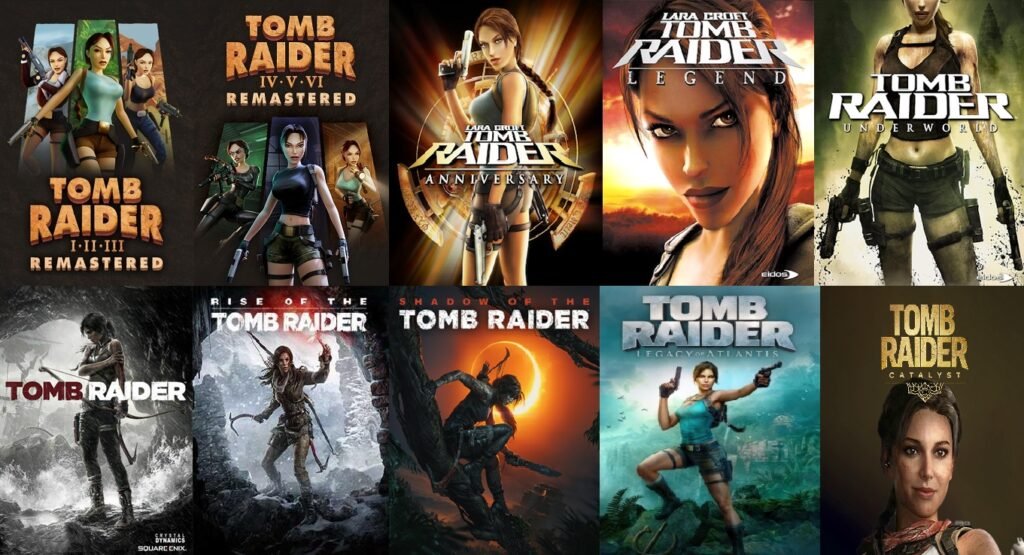
I recently fell down a rabbit hole trying to understand what the hell Crystal Dynamics means when they talk about Tomb Raider’s unified timeline. I grew up playing Legend and Anniversary as a kid, worked through the entire Survivor trilogy, and have been following this franchise for years. But even with all that history, I found myself confused: how do all these different versions of Lara fit together now? Which timeline counts? And what does this mean for games like Underworld that aren’t even available on modern consoles? After diving deep into research and piecing together all the information, I finally understand how this works. If you’re as confused as I was, this breakdown will help.
What Does “Unified” Even Mean?
Here’s the problem Tomb Raider has been dealing with for decades: the franchise has existed in three separate timelines. You had the original Core Design games from 1996-2003, the Legend trilogy from 2006-2008, and then the Survivor trilogy that rebooted everything again in 2013. Each timeline had its own version of Lara Croft with different backstories, different personalities, and completely different takes on her origin.
The unified timeline is Crystal Dynamics’ ambitious attempt to merge all three versions of Lara into one continuous story. Instead of treating these as separate universes, they’re saying: all of these adventures happened to the same Lara Croft, just at different points in her life.
Think of it like the comics approach to continuity – taking what works from different eras and weaving them into a single, cohesive narrative. It’s bold, it’s complicated, and honestly, it’s kind of exciting if you’re a longtime fan who’s followed Lara through all her iterations.
The New Chronological Order
So if everything is now one timeline, what’s the actual order? Here’s how it breaks down, from Lara’s earliest days to her peak as a legendary tomb raider:
The Survivor Trilogy (2013-2018)
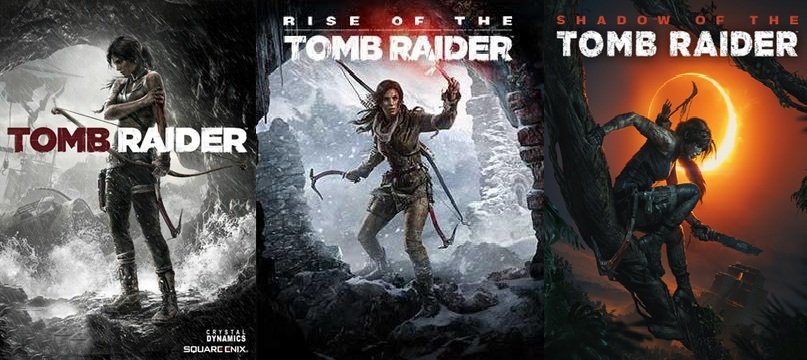
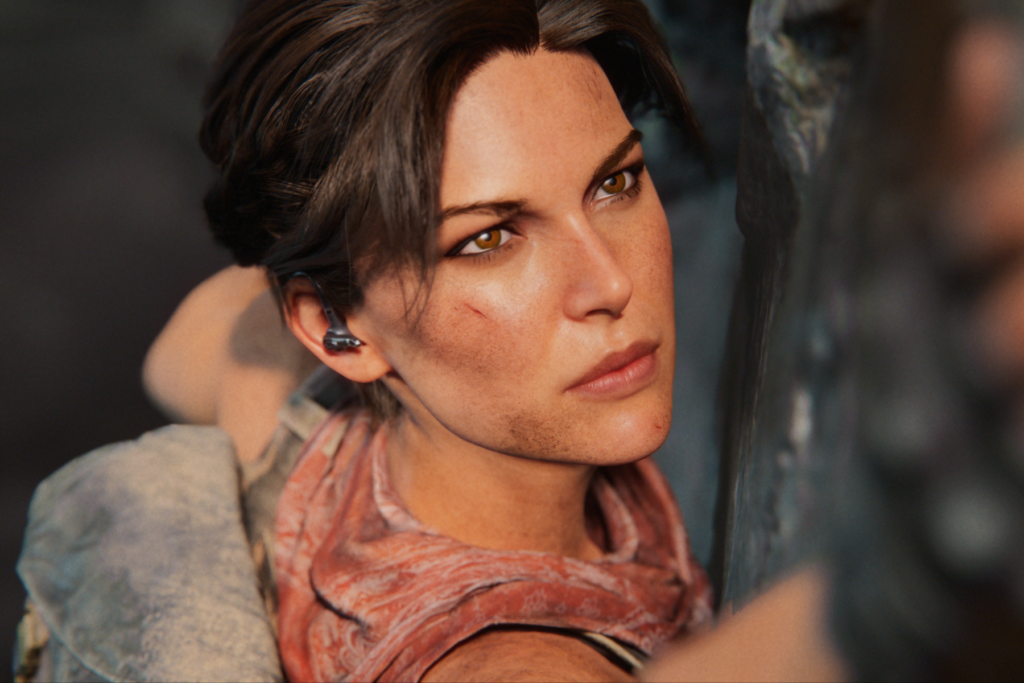
This is where everything starts now. The 2013 reboot, Rise of the Tomb Raider, and Shadow of the Tomb Raider establish Lara’s origin. She’s in her 20s, gets shipwrecked on Yamatai, and transforms from a terrified archaeology into the Tomb Raider. These games establish the “true” backstory for Lara’s parents and her formative years.
The Netflix Series (2024-2025)
The Legend of Lara Croft animated series serves as a bridge. Set directly after Shadow, it shows Lara transitioning from the traumatized survivor we saw in the trilogy to a more confident, globe-trotting adventurer. This is where she starts becoming the Lara who raids tombs because she wants to, not just because she’s caught up in apocalyptic situations.
Legacy of Atlantis (2026)
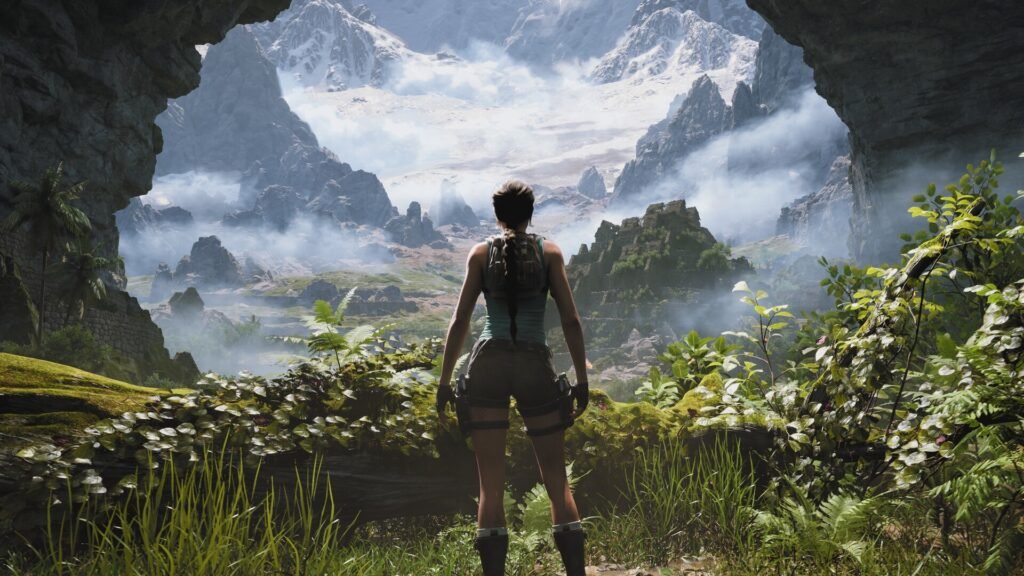
Legacy of Atlantis is a full Unreal Engine 5 remake of the original 1996 Tomb Raider, but it’s not a separate timeline – it’s positioned as an adventure that happens to this older, more experienced Lara. She’s already survived Yamatai and fought Trinity before hunting for the Scion artifact. This effectively replaces both the 1996 original and the 2007 Anniversary remake in the official timeline.
The Classic Adventures (Tomb Raider II through Chronicles)
After Atlantis, Lara embarks on the adventures from the original Core Design games: hunting the Dagger of Xian in China, searching for the Infada artifacts in India, the whole nine yards. These are now considered her “established career” years when she’s a professional tomb raider in her late twenties. The specifics of these stories still happened, but they’re being recontextualized to fit the modern Lara’s personality rather than the cold, silent character from the ’90s games.
Angel of Darkness (2003)
The events in Paris and Prague represent Lara’s “dark era” – framed for murder, on the run, briefly disappearing from public life. It’s positioned as a low point before she rebuilds.

The Legend Trilogy (2006-2008)
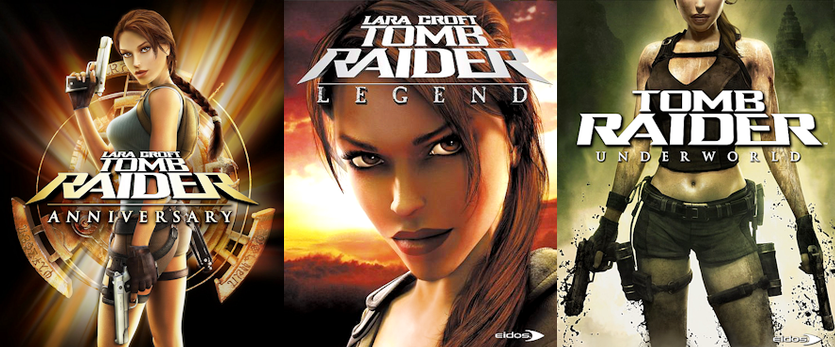
This is the part that initially confused me. Tomb Raider: Legend was originally a reboot that served as Lara’s new origin story. In the unified timeline, Legend is no longer her beginning – it’s moved much later in her career. The events of Legend and Underworld still happened, but they now occur after all the classic adventures. This means Lara meets Zip and Alistair later in life, and the high-tech gadgetry from these games represents her evolution as she becomes more sophisticated in her methods.
Tomb Raider: Catalyst (2027)
This is the payoff. Set years after Underworld, Catalyst features the oldest, most experienced Lara yet – roughly 35 years old and at the absolute peak of her abilities. It’s a direct sequel to the Legend era while also being part of the unified timeline. This is where all the different pieces come together.
The Major Retcons
To make this unified timeline work, Crystal Dynamics had to make some changes. The Survivor trilogy’s version of Lara’s backstory is now the official one – her parents’ fates, her motivations for becoming a tomb raider, all of that comes from the 2013-2018 games.
This creates contradictions with the Legend trilogy, which had completely different explanations for what happened to Lara’s family. Crystal Dynamics is using a “loose canon” approach to handle this – the adventures from Legend still happened, but the personal motivations behind them are being adjusted to fit the Survivor backstory.
The original ’90s backstory where Lara was disowned by her aristocratic family? That’s gone too. The unified timeline uses the Survivor version where she became an adventurer for different reasons entirely.
Another major shift: Tomb Raider: Anniversary, the 2007 remake of the original game, is being replaced entirely by Legacy of Atlantis. Anniversary is now considered the version of the Atlantis story that belongs to the old Legend timeline, while Legacy of Atlantis is the version for the unified timeline.
What About the Classic Games?
One thing that really tripped me up: what happens to the original six Core Design games in this new timeline? Are they just wiped from existence?
Not quite. Crystal Dynamics is treating them as historical events that genuinely happened to Lara, but they’re being repositioned in her life story. The first game’s events are being replaced by Legacy of Atlantis, while Tomb Raider II through Chronicles are considered “The Middle Years” – adventures that happened after the Survivor trilogy and after Legacy of Atlantis.
Because the original games had very little plot dialogue, Crystal Dynamics has more flexibility in recontextualizing them for the unified timeline – saying Lara did go to these places, but with the personality of the modern Lara rather than the character from the ’90s.
Will They Remake the Other Classic Games?
As of now, Crystal Dynamics hasn’t announced plans for additional remakes. Legacy of Atlantis is being treated as a special case for the franchise’s 30th anniversary. Instead of remaking every classic game, they’re focusing on remasters and moving the story forward with new titles.
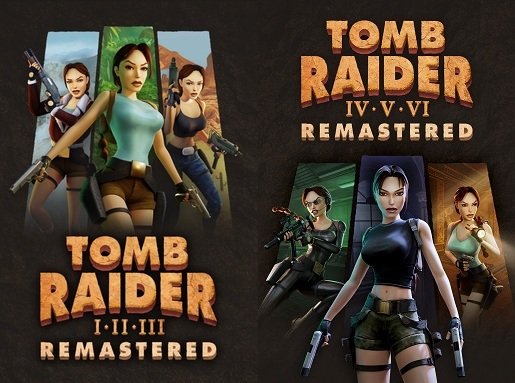
There are heavy rumors that Aspyr – the studio behind the recent Tomb Raider I-III Remastered and IV-VI Remastered collections – will remaster the Legend trilogy next. That would give modern audiences access to Legend, Anniversary, and Underworld with updated graphics and controls without changing the core stories.
But full ground-up remakes like Legacy of Atlantis? Not planned for anything beyond the first game. Crystal Dynamics seems more interested in creating new adventures like Catalyst than getting stuck in a cycle of remaking old content. Moving forward, the remasters are going to be the way to play these classics.
Should You Revisit Anniversary or Just Wait for Legacy of Atlantis?
Having played Anniversary back when I was younger, this question hits differently for me. That game was my introduction to the Atlantis story, and I have fond memories of it. But knowing that Legacy of Atlantis is meant to replace it in the official timeline makes me wonder: is there any point in revisiting Anniversary now?
Here’s my take: if you’ve already experienced Anniversary like I have, waiting for Legacy of Atlantis makes the most sense. The core story is the same – Lara hunting for the Scion. Playing Anniversary again now might actually make Legacy feel repetitive when it launches.
Plus, Anniversary is nearly 20 years old at this point. Going back to it after playing the Survivor trilogy really shows its age – the platforming feels stiff, the combat is clunky, and it was criticized even at release for being too bright and clean compared to the creepy, biological horror of the 1996 original. Legacy of Atlantis is promising to restore that darker atmosphere with modern gameplay and Unreal Engine 5 visuals.
That said, if you’ve never played the Atlantis story in any form, Anniversary is dirt cheap on most platforms and readily available. But for those of us who grew up with it? Legacy of Atlantis will be a fresh experience that actually connects to the Survivor trilogy we’ve already played through.
The real disappointment for me is Underworld. I played it as a kid, and it’s still not available on PS4 or PS5. If Aspyr really is remastering the Legend trilogy, that would finally give us a proper way to revisit Underworld on modern hardware – and more importantly, it would let new players experience it before Catalyst drops in 2027. Not that I would be interested in a remaster of Legend. I’ve already purchased it now and ready to play it. I don’t need a remaster for it at this time.
Why This Matters
What Crystal Dynamics is attempting here is ambitious. Instead of erasing the past or declaring certain games non-canon, they’re finding ways to honor all of Lara’s adventures while building toward something new. I played the Legend trilogy as a kid -those games meant something to me. I also connected deeply with the Survivor trilogy’s more vulnerable, human take on Lara. Now Crystal Dynamics is saying both versions matter, both happened, and they’re part of one continuous journey.
For longtime fans, this provides context we never had before. When I played Legend and Anniversary as a kid, they were a reboot that erased the classic games. When the Survivor trilogy launched, it erased Legend. Now we’re being told: none of it was erased. It all counts. That’s a fundamentally different approach, and it shows respect for the franchise’s history in a way previous reboots didn’t.
Plus, if Catalyst delivers on the promise of showing us Lara at the peak of her abilities – combining the grit of the Survivor trilogy with the confidence of the classics and the sophistication of the Legend era – that could be something really special. We’d finally see a version of Lara who has lived through everything we experienced across decades of games.
The Bottom Line
The unified timeline repositions Tomb Raider from a franchise with three separate Laras into one continuous story spanning her entire career. The Survivor trilogy is the foundation, the classic adventures are her middle years, and the Legend era represents her evolution into a high-tech master raider.
It requires some mental gymnastics and retcons, sure. But as someone who grew up with these games and felt confused every time a new reboot erased what came before, I appreciate finally having a framework where everything connects. The games I played as a kid – Legend, Anniversary, Underworld – they’re not being thrown away. They’re being repositioned as a later chapter in Lara’s life.
The Survivor trilogy I worked through years later? That’s the foundation now, the beginning of Lara’s journey. And Legacy of Atlantis will show me a version of the Atlantis story that connects to that foundation in ways Anniversary never could.
Whether this unified timeline makes perfect sense is debatable. But at least it exists. At least there’s an attempt to honor 30 years of adventures instead of just hitting reset again.
And honestly? Finally understanding this unified timeline has me genuinely excited to see how Legacy of Atlantis and Catalyst pull it all together.
Leave a Reply